Wine Fridge for Restaurants: A Comprehensive Guide
In the competitive landscape of the restaurant industry, producing an exceptional dining experience is paramount. Wine can play an essential role in improving this experience, serving not only as a beverage however likewise as an effective marketing tool. A wine fridge, particularly developed for dining establishments, can help preserve optimal wine quality while making sure effective storage. This post aims to check out the significance of wine fridges for dining establishments, key factors to consider when picking one, and the advantages they bring to the dining experience.
Why a Wine Fridge is Essential for Restaurants
Conservation of Wine Quality
Wine storage is crucial for maintaining quality and taste. Variations in temperature and humidity can substantially impact the stability of wine. A devoted wine fridge is designed to offer a steady environment, safeguarding the wine from harmful conditions. In a restaurant setting, this indicates providing the best possible item to customers, which can result in duplicate business and enhanced credibility.
Boosted Aesthetic Appeal
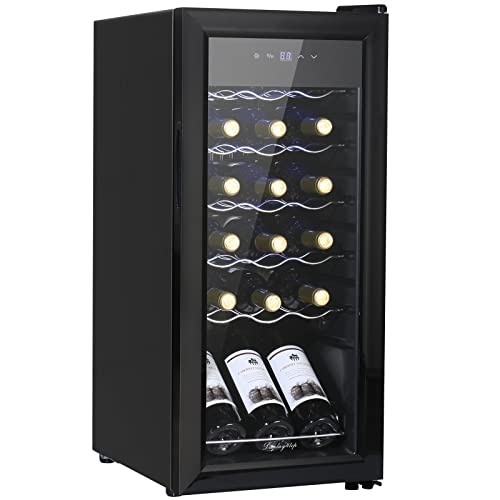
A wine fridge also serves an aesthetic purpose. A well-placed wine fridge can become an appealing focal point in a restaurant, showcasing a carefully curated wine selection. This not just boosts the atmosphere but likewise sends a message about the restaurant's dedication to quality. A noticeable wine fridge, showing an impressive selection of bottles, can also serve to motivate guests to enjoy wine pairings, possibly increasing sales.
Improved Efficiency in Service
Having a devoted wine fridge enables personnel to quickly access wines when needed. This effectiveness removes the need to go to a separate storage location, decreasing delays in serving clients. In high-pressure environments like restaurants, every second counts, and a wine fridge can guarantee that service remains smooth.
Stock Management
A well-organized wine fridge assists in easier inventory management. Restaurants can keep track of their wine stock more successfully, decreasing wastage and making sure that popular ranges are constantly available. Some wine fridges even offer digital stock tools, allowing supervisors to keep an eye on stock levels and reorder supplies as needed.
Key Considerations for Choosing a Wine Fridge
Restaurants looking to purchase a wine fridge should think about several elements to guarantee they choose the very best system for their requirements.
Size and Capacity
Among the first considerations is the size and capability of the wine fridge. relevant internet page are available, varying from small under-counter units to large freestanding designs. Dining establishments ought to assess their wine stock and pick a fridge that can accommodate their collection while fitting effortlessly into the area.
Temperature level Control
Temperature control is important for maintaining wine quality. Various types of wine require specific temperature level varieties for optimal storage:
- Red Wine: 55 ° F - 65 ° F(
- 12 ° C-18 ° C)White Wine: 45 ° F - 50 ° F(
- 7 ° C-10 ° C) Sparkling Wine: 40 ° F - 45 ° F (4
° C -7 ° C) A wine fridge should have trustworthy temperature level settings that can accommodate these variations.
Humidity Levels
Humidity plays a vital role in avoiding corks from drying and jeopardizing the wine. Ideally, wine fridges must preserve humidity levels around 60% to 70%. Some designs come geared up with humidity control functions, making them better for long-term storage.
Additional Features
Modern wine fridges often include a range of functions customized for industrial usage:
- Dual-Zone Temperature Control: This feature permits the simultaneous storage of both red and gewurztraminers at their optimum temperature levels.
- UV Protection: Glass doors with UV filters can help safeguard wine from light direct exposure, which can deteriorate its quality.
- Digital Controls: Digital displays allow for exact temperature settings and tracking.
- Wooden Shelves: These provide a stable storage surface, avoiding vibrations that could hurt the wine.
Benefits of Investing in a Wine Fridge
Investing in a wine fridge brings numerous benefits to a restaurant that can ultimately translate to greater consumer complete satisfaction and increased sales.
Improved Customer Experience
By making sure that wine is kept at ideal temperature levels and humidity levels, dining establishments can ensure a remarkable tasting experience for their visitors. This care in wine service boosts the overall dining experience and can encourage visitors to splurge on wine pairings with their meals.
Increased Revenue Opportunities
A well-stocked wine fridge can create upsell chances for staff by making wine pairings more available and aesthetically appealing. Engaging descriptions of red wines on a restaurant's menu and personnel recommendations can result in increased wine sales.
Improved Marketing Potential
A quality wine selection, combined with a trendy wine fridge, works as an essential marketing tool. Social network platforms thrive on visually attractive material, and a well-curated wine fridge can be an attracting topic for posts. Highlighting distinct or exceptional wine choices can also attract visitors who are passionate about wine culture.
Frequently Asked Questions about Wine Fridges for Restaurants
1. How much does a business wine fridge expense?
- The expense of an industrial wine fridge can vary extensively based on size, brand, and functions. Fundamental systems may begin around ₤ 200, while larger, advanced models can surpass ₤ 2,000.
2. Can a wine fridge also keep beers?
- Lots of wine fridges maintain a narrower temperature variety ideal for wine. However, some models can change temperature levels efficiently enough for beers, however it's best to inspect the manufacturer's standards.
3. How typically should a wine fridge be serviced?
- Regular upkeep is recommended to make sure ideal performance. It is a good idea to check the cooling system and seals every six months and tidy the interior surface areas as required.
4. Is it required to have a wine fridge, or can wine be kept in other places?
- While wine can technically be stored in other places, a wine fridge supplies the perfect environment to preserve its quality, particularly in a restaurant setting where wine requires to be readily available.
A wine fridge is an essential financial investment for restaurants looking for to raise their dining experience and maximize performance. By thoroughly considering size, temperature control, and extra functions, restaurants can select the ideal system to serve their wine stock. Ultimately, a devoted wine fridge not only maintains the quality of wine but likewise improves the overall appeal of the establishment, causing improved customer complete satisfaction and increased revenue chances. As the wine culture continues to grow, restaurants equipped with a wine fridge are well-positioned to benefit from its numerous advantages.